Reflections of Austin: A Musical Journey through Generations
Reflections of Austin:
When the City Still Belonged to the Weirdos, Hippies, Cowboys and Freaks
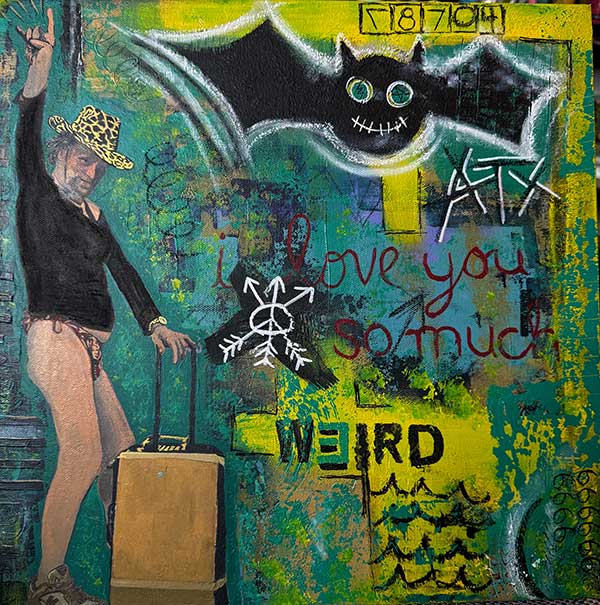 There’s an Austin most people reading this will never truly understand.
Not the corporate cosplay version with rooftop bars charging $24 for a cocktail while influencers pretend they “discovered” South Congress. Not the city where tech bros wear cowboy hats twice a year and think standing in line at Franklin makes them local.
I’m talking about the real Austin.
The Austin that smelled like patchouli, barbecue smoke, spilled beer, and really good weed. The Austin where musicians, outlaws, hippies, bikers, cowboys, artists, drag queens, Deadheads, and absolute lunatics somehow all coexisted together in one beautiful, chaotic swirl.
And somehow, as a kid, I got dropped right into the middle of it.
I grew up running around places most people now only know from documentaries and old concert posters. While other kids were at home watching cartoons, I was backstage at the Armadillo World Headquarters, hanging around Soap Creek Saloon, or wandering through Willie Nelson’s Austin Opry House while adults around me acted like all of this insanity was perfectly normal.
Because back then… it was.
When Austin Still Felt Alive
The Armadillo wasn’t just a venue. It was Austin’s living room. It was where cosmic cowboys, hippies, old-school Texans, and music freaks all came together under one roof. You’d see somebody in full fringe and cowboy boots standing next to a long-haired guy who looked like he’d been following the Grateful Dead for six years straight. Nobody cared. Everybody belonged.
I still remember the murals, the smell of stale beer soaked into the concrete floors, and that weird electricity in the air before the lights dropped. Even as a kid, you could feel something important happening in those rooms.
Austin didn’t feel manufactured then. It felt alive.
And Willie Nelson’s Austin Opry House? Man… that place was magic. I saw more shows there than I could ever count. If you know, you know about the infamous “cocaine catwalk” high above the crowd. Most people never even realized it existed, but if you had access, those were the greatest seats in the house. You could look down at the entire madness unfolding beneath you like some secret balcony above Austin history itself.
Finding My Own Austin
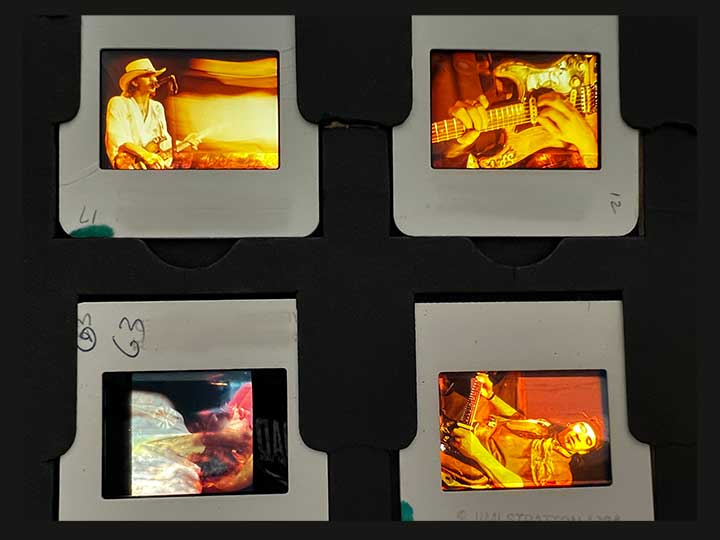
By the time the ‘80s rolled around, Austin was still weird, but it had gotten grittier. Dirtier. Louder. And honestly? Better.
That’s when I started finding my own identity inside the music scene instead of just tagging along with my parents and their friends. Places like Antone’s and the Continental Club became rites of passage.
Antone’s wasn’t polished. It wasn’t supposed to be. It was sweat dripping off the ceiling while Stevie Ray Vaughan absolutely melted faces ten feet away from you. It was blues music so loud and raw you could feel it rattling your ribs. Those nights taught me more about authenticity than any classroom ever could.
The Continental Club felt different. More intimate. Cooler without trying to be cool. Austin before Austin became obsessed with branding itself as Austin.
Back then, nobody cared what category the music fit into. Blues guys hung out with punks. Cowboys drank with Deadheads. Rednecks stood next to art school weirdos. Somehow it all worked.
Liberty Lunch, The Ritz and Peak Austin Chaos
By the mid to late ‘80s, Austin nightlife had become its own beautiful kind of insanity. I started going to Liberty Lunch in high school around ’85 and kept going well into the ’90s. Those were the years that really shaped my relationship with music, nightlife, and Austin itself.
Liberty Lunch felt like somebody built a music venue out of pure freedom and duct tape. Outdoor shows under the Texas sky where everybody from punks to skaters to stoners to college kids collided together. Nobody was curating an image for Instagram because Instagram didn’t exist. People were just there for the music, the scene, and the experience.
You’d sweat through your clothes, lose your friends halfway through the night, and somehow always find your way back to exactly where you belonged.
Then there was the Ritz.
Darker. Meaner. More dangerous in the best possible way. Seeing bands like Suicidal Tendencies or the Red Hot Chili Peppers before the corporate machine swallowed alternative culture whole felt like witnessing something sacred before the rest of the world caught on.
Austin used to be full of moments like that.
Real moments… Not curated experiences.
The Weirdness Wasn’t a Marketing Campaign
The thing younger Austinites don’t fully understand is that old Austin wasn’t trying to sell itself. That’s what made it cool. Nobody was building “brands.” Nobody was manufacturing authenticity. The city just naturally attracted creative weirdos because it was cheap, open-minded, and beautifully lawless in its own strange way.
You could survive here as an artist. Barely sometimes, but you could survive.
Today, a lot of the people who made Austin magical probably couldn’t even afford to live here anymore.
That’s the heartbreaking part.
Austin Is Still Beautiful, Just Not Quite as Cool as It Was
Don’t get me wrong. Austin is still beautiful. There’s still incredible music here. Still incredible people. Still flashes of the old magic if you know where to look hard enough.
But the soul of the city feels different now.
The weirdness used to happen organically. Now it’s marketed on coffee mugs and airport T-shirts.
Sometimes I drive past places where legendary venues once stood and realize there are people living here now who have absolutely no idea what happened on those corners. No idea how many musical revolutions, psychedelic adventures, outlaw stories, and life-changing nights unfolded there.
But some of us remember.
We remember Austin before luxury condos swallowed the skyline.
Before every dive bar became a cocktail lounge.
Before the city got sanitized.
And every once in a while, late at night, when the air is thick and the music is right, you can still catch little ghosts of the old Austin floating around out there.
You just have to know how to listen.